Table of Contents
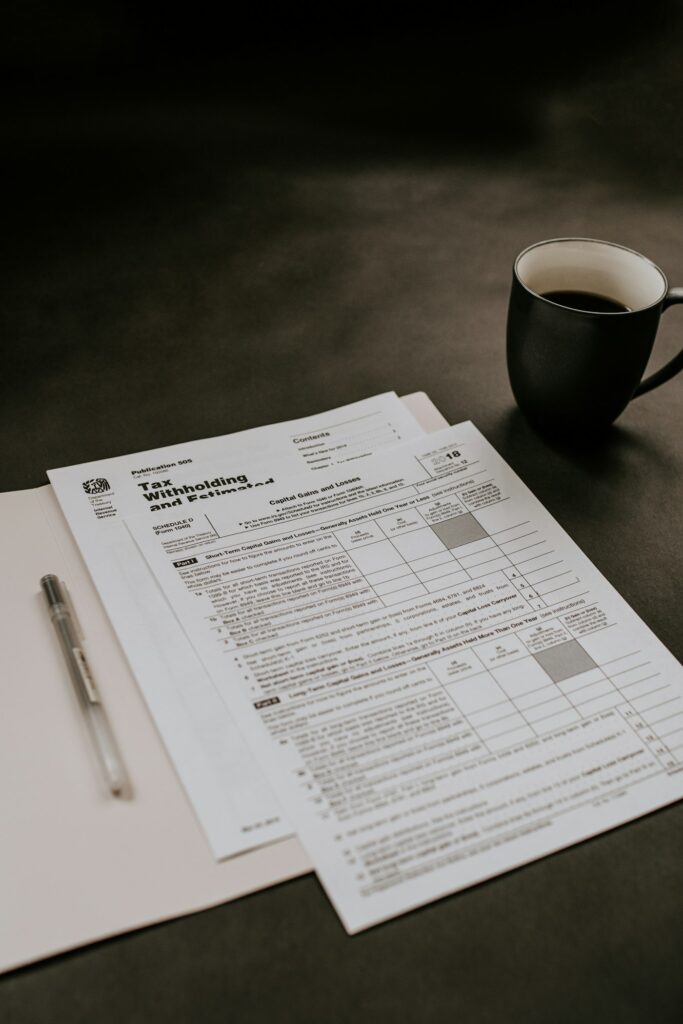



Insurance Documents Checklist: Records to Keep Before a Claim is written for readers who want clear, practical and careful insurance information. If you are searching for insurance documents checklist, the goal is usually not only to find a cheap option, but to understand coverage, exclusions, documents, costs, claims and the questions you should ask before making a decision.
Why insurance documents checklist matters
Insurance decisions can affect your money, family, property, vehicle, travel plans or business responsibilities. A weak policy may look affordable at first but become expensive when you need to file a claim. A strong policy should explain what is covered, what is excluded, how much may be paid, what you must pay yourself, and which documents are required.
The safest way to approach insurance documents checklist is to compare the details, not only the headline price. This means checking coverage limits, deductibles or excess amounts, exclusions, claim deadlines, cancellation terms, renewal changes and provider communication. A good insurance choice should fit your actual risk, not just your monthly budget.
Key points to compare
| Item | What to check |
|---|---|
| Coverage | What events, damages, losses or responsibilities are included? |
| Exclusions | What situations are not covered by the policy? |
| Limits | What is the maximum amount the provider may pay? |
| Deductible or excess | How much do you pay before coverage applies? |
| Documents | What proof, forms, receipts, reports or photos may be required? |
| Claim process | How do you report a claim and how long may the review take? |
| Cancellation and renewal | Can the policy change, renew, cancel or increase in price? |
Documents you may need
- Policy number and provider name
- Full name and contact information
- Receipts, invoices or payment confirmations
- Photos, repair estimates or inspection records if relevant
- Police report, accident report or incident record if applicable
- Medical, travel, vehicle, property or business documents if relevant
- Emails, letters or chat records with the provider
- Claim form or provider-specific document request
- A short written timeline of what happened
- A saved copy of everything you submit
How to make a stronger insurance request
A strong insurance request is clear, calm and factual. Avoid emotional pressure, vague statements or long unrelated stories. Instead, give the policy number, explain the issue in order, include dates, attach documents and ask for a specific next step. If you need clarification, ask the provider to reply in writing.
When comparing policies, do not rely only on advertising language. Marketing pages often show benefits, while the real conditions are usually in the policy wording. If a term is unclear, ask for written explanation before buying, renewing, cancelling or submitting a claim.
Useful wording template
Subject: Request regarding insurance policy or claim

Dear insurance company or department,

I am writing regarding policy, claim, quote, cancellation, renewal, refund, or document request. My policy or reference number is policy or claim number.

Please let me know the next steps and any documents required to complete the review. I have attached the available supporting documents for your reference.

Thank you for your time and assistance.

Sincerely,
your name
Common mistakes to avoid
- Choosing the cheapest policy without checking exclusions
- Ignoring coverage limits and deductibles
- Waiting too long before reporting a claim
- Sending a request without documents or reference numbers
- Not saving copies of policy documents and messages
- Assuming every loss or damage is automatically covered
- Failing to ask for written clarification when terms are unclear
Questions to ask before deciding
- What exactly is covered by this policy?
- What are the most important exclusions?
- What is the deductible or excess?
- What documents are required during a claim?
- How long does the claim review usually take?
- Can the premium change at renewal?
- Are there cancellation fees or refund rules?
- Can I get the answer in writing?
FAQ about insurance documents checklist
Is this professional insurance advice?
No. This guide is general information only. Always review official documents and speak with a qualified professional or licensed provider when needed.
Related insurance guides
Continue with these closely related guides to compare coverage, documents, exclusions, claims, and policy review questions.
Should I compare more than one provider?
Yes. Comparing more than one provider helps you see differences in coverage, exclusions, price, deductibles and claims service.
Is the cheapest policy always bad?
No. A cheap policy may be suitable in some cases, but only if the coverage, limits and exclusions match your needs.
What is the most important part of a policy?
Coverage, exclusions, limits, deductibles and claim requirements are usually the most important sections to review.
What should I do if I do not understand a term?
Ask the provider for a written explanation before making a decision or relying on the policy.
Related insurance guides
- Car Insurance Comparison Guide: How to Find Better Coverage Without Overpaying
- Full Coverage Car Insurance Guide: What It Means and What It Usually Includes
- Cheap Car Insurance Rates Guide: How to Lower Costs Carefully
- Auto Insurance Quotes Online: What to Check Before You Buy
- Home Insurance Coverage Guide: Buildings, Contents, Liability and Exclusions
- Home Contents Insurance Guide: What Personal Belongings May Be Covered
- Building Insurance Guide: Structure Coverage, Risks and Policy Checks
- Life Insurance for Families: Coverage Planning and Common Mistakes
Final thoughts
insurance documents checklist becomes easier to understand when you focus on practical details: coverage, exclusions, documents, deadlines, deductibles and written communication. Take your time, compare carefully and keep records. Good insurance planning is not about rushing into the first offer; it is about understanding what protection you may actually have when you need it.
Before making a final decision, read the policy as if you were already filing a claim. Ask yourself what could happen, what proof would be required, what the provider may refuse, how much you may still pay yourself and whether the policy really matches your situation. This simple review can prevent confusion later.
Before making a final decision, read the policy as if you were already filing a claim. Ask yourself what could happen, what proof would be required, what the provider may refuse, how much you may still pay yourself and whether the policy really matches your situation. This simple review can prevent confusion later.
Before making a final decision, read the policy as if you were already filing a claim. Ask yourself what could happen, what proof would be required, what the provider may refuse, how much you may still pay yourself and whether the policy really matches your situation. This simple review can prevent confusion later.
Before making a final decision, read the policy as if you were already filing a claim. Ask yourself what could happen, what proof would be required, what the provider may refuse, how much you may still pay yourself and whether the policy really matches your situation. This simple review can prevent confusion later.
Before making a final decision, read the policy as if you were already filing a claim. Ask yourself what could happen, what proof would be required, what the provider may refuse, how much you may still pay yourself and whether the policy really matches your situation. This simple review can prevent confusion later.
Before making a final decision, read the policy as if you were already filing a claim. Ask yourself what could happen, what proof would be required, what the provider may refuse, how much you may still pay yourself and whether the policy really matches your situation. This simple review can prevent confusion later.
Before making a final decision, read the policy as if you were already filing a claim. Ask yourself what could happen, what proof would be required, what the provider may refuse, how much you may still pay yourself and whether the policy really matches your situation. This simple review can prevent confusion later.
insurance documents checklist is an important insurance topic for readers who want clear guidance, better coverage decisions, and practical steps before choosing, renewing, cancelling, comparing, or claiming against a policy. This guide explains insurance documents checklist in plain English with examples, checklists, documents, and common mistakes.
The purpose of this article is to help visitors understand insurance documents checklist without confusing language. Insurance decisions can affect money, family protection, vehicles, homes, travel plans, businesses, and long-term financial security.
Why insurance documents checklist matters
insurance documents checklist matters because the wrong insurance decision can create expensive problems later. A low premium may look attractive, but the real value of a policy depends on coverage limits, exclusions, deductibles, claim requirements, renewal rules, and provider support.
Before relying on any offer, compare insurance documents checklist across more than one provider. Look carefully at what is covered, what is excluded, what documents are required, and how the claim process works.
insurance documents checklist: coverage checklist
- Check the exact coverage included in the policy.
- Read exclusions before comparing prices.
- Review deductibles, excess amounts, and out-of-pocket costs.
- Compare coverage limits and claim limits.
- Ask how long claims usually take.
- Confirm whether renewal terms can change.
- Keep written answers from the provider.
- Do not rely only on advertising language.
Documents needed for insurance documents checklist
Useful documents may include policy numbers, receipts, photos, repair estimates, invoices, accident reports, medical records, travel documents, emails, claim forms, provider letters, and a short timeline of events.
Good documentation makes insurance documents checklist easier to review. Keep digital and paper copies whenever possible, especially if you are preparing a claim, appeal, cancellation request, refund request, or comparison.
Common insurance documents checklist mistakes
Common mistakes include choosing the cheapest policy without checking exclusions, ignoring deductibles, missing claim deadlines, sending incomplete documents, not asking for written clarification, and assuming every loss is automatically covered.
A careful insurance documents checklist review should focus on real-life use. Ask yourself what could happen, what proof would be required, what the provider may reject, and how much you may still pay yourself.
Useful insurance documents checklist wording example
Subject: Request regarding insurance documents checklist

Dear insurance provider,

I am writing regarding my policy or request related to insurance documents checklist. My policy or reference number is policy or claim number.

Please confirm the next steps, required documents, deadlines, and any exclusions or limits that may apply. I would appreciate a written response for my records.

Thank you for your assistance.

Sincerely,
your name
Trusted external resources
For general consumer education, you can review the NAIC consumer insurance resources and USA.gov insurance information. These links are included as general references and do not replace policy documents or professional advice.
FAQ about insurance documents checklist
Is this professional advice?
No. This insurance documents checklist guide is general information only and should not replace official policy documents or advice from a qualified professional.
Should I compare more than one provider?
Yes. Comparing providers helps you understand differences in coverage, exclusions, claim handling, deductibles, price, and support.
What is the safest next step?
Read the policy wording carefully, keep written records, prepare documents, and ask the provider to explain unclear terms in writing.
When reviewing insurance documents checklist, focus on practical details rather than slogans. The most useful insurance choice is usually the one that clearly explains coverage, exclusions, documents, deadlines, limits, deductibles, and the claim process. If something is unclear, ask for written clarification before making a decision.
When reviewing insurance documents checklist, focus on practical details rather than slogans. The most useful insurance choice is usually the one that clearly explains coverage, exclusions, documents, deadlines, limits, deductibles, and the claim process. If something is unclear, ask for written clarification before making a decision.
When reviewing insurance documents checklist, focus on practical details rather than slogans. The most useful insurance choice is usually the one that clearly explains coverage, exclusions, documents, deadlines, limits, deductibles, and the claim process. If something is unclear, ask for written clarification before making a decision.
When reviewing insurance documents checklist, focus on practical details rather than slogans. The most useful insurance choice is usually the one that clearly explains coverage, exclusions, documents, deadlines, limits, deductibles, and the claim process. If something is unclear, ask for written clarification before making a decision.
When reviewing insurance documents checklist, focus on practical details rather than slogans. The most useful insurance choice is usually the one that clearly explains coverage, exclusions, documents, deadlines, limits, deductibles, and the claim process. If something is unclear, ask for written clarification before making a decision.
When reviewing insurance documents checklist, focus on practical details rather than slogans. The most useful insurance choice is usually the one that clearly explains coverage, exclusions, documents, deadlines, limits, deductibles, and the claim process. If something is unclear, ask for written clarification before making a decision.
When reviewing insurance documents checklist, focus on practical details rather than slogans. The most useful insurance choice is usually the one that clearly explains coverage, exclusions, documents, deadlines, limits, deductibles, and the claim process. If something is unclear, ask for written clarification before making a decision.
When reviewing insurance documents checklist, focus on practical details rather than slogans. The most useful insurance choice is usually the one that clearly explains coverage, exclusions, documents, deadlines, limits, deductibles, and the claim process. If something is unclear, ask for written clarification before making a decision.
When reviewing insurance documents checklist, focus on practical details rather than slogans. The most useful insurance choice is usually the one that clearly explains coverage, exclusions, documents, deadlines, limits, deductibles, and the claim process. If something is unclear, ask for written clarification before making a decision.
When reviewing insurance documents checklist, focus on practical details rather than slogans. The most useful insurance choice is usually the one that clearly explains coverage, exclusions, documents, deadlines, limits, deductibles, and the claim process. If something is unclear, ask for written clarification before making a decision.
When reviewing insurance documents checklist, focus on practical details rather than slogans. The most useful insurance choice is usually the one that clearly explains coverage, exclusions, documents, deadlines, limits, deductibles, and the claim process. If something is unclear, ask for written clarification before making a decision.
When reviewing insurance documents checklist, focus on practical details rather than slogans. The most useful insurance choice is usually the one that clearly explains coverage, exclusions, documents, deadlines, limits, deductibles, and the claim process. If something is unclear, ask for written clarification before making a decision.
When reviewing insurance documents checklist, focus on practical details rather than slogans. The most useful insurance choice is usually the one that clearly explains coverage, exclusions, documents, deadlines, limits, deductibles, and the claim process. If something is unclear, ask for written clarification before making a decision.
When reviewing insurance documents checklist, focus on practical details rather than slogans. The most useful insurance choice is usually the one that clearly explains coverage, exclusions, documents, deadlines, limits, deductibles, and the claim process. If something is unclear, ask for written clarification before making a decision.
When reviewing insurance documents checklist, focus on practical details rather than slogans. The most useful insurance choice is usually the one that clearly explains coverage, exclusions, documents, deadlines, limits, deductibles, and the claim process. If something is unclear, ask for written clarification before making a decision.
When reviewing insurance documents checklist, focus on practical details rather than slogans. The most useful insurance choice is usually the one that clearly explains coverage, exclusions, documents, deadlines, limits, deductibles, and the claim process. If something is unclear, ask for written clarification before making a decision.
When reviewing insurance documents checklist, focus on practical details rather than slogans. The most useful insurance choice is usually the one that clearly explains coverage, exclusions, documents, deadlines, limits, deductibles, and the claim process. If something is unclear, ask for written clarification before making a decision.
When reviewing insurance documents checklist, focus on practical details rather than slogans. The most useful insurance choice is usually the one that clearly explains coverage, exclusions, documents, deadlines, limits, deductibles, and the claim process. If something is unclear, ask for written clarification before making a decision.
When reviewing insurance documents checklist, focus on practical details rather than slogans. The most useful insurance choice is usually the one that clearly explains coverage, exclusions, documents, deadlines, limits, deductibles, and the claim process. If something is unclear, ask for written clarification before making a decision.
When reviewing insurance documents checklist, focus on practical details rather than slogans. The most useful insurance choice is usually the one that clearly explains coverage, exclusions, documents, deadlines, limits, deductibles, and the claim process. If something is unclear, ask for written clarification before making a decision.
When reviewing insurance documents checklist, focus on practical details rather than slogans. The most useful insurance choice is usually the one that clearly explains coverage, exclusions, documents, deadlines, limits, deductibles, and the claim process. If something is unclear, ask for written clarification before making a decision.
Editorial and accuracy note
This article is general educational information only. It should not replace official policy wording, provider documents, regulator information, or advice from a qualified professional.
Before making an insurance decision, review the policy document, exclusions, deductibles, claim requirements, renewal terms, and written provider responses.
Read our Editorial Policy · Read our Disclaimer · Sources and References