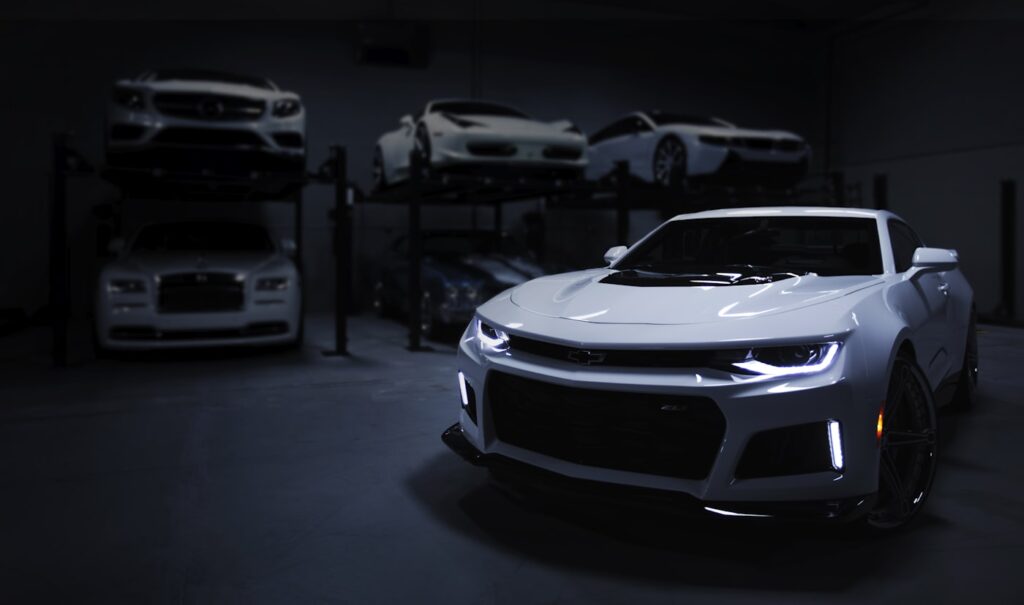
Image credit: Exclusive editorial image by Forelephant.com.
How this guide fits into Forelephant insurance research
This article is part of Forelephant’s updated insurance guide library. It is designed to help readers compare coverage, prepare documents, review exclusions, and make better insurance decisions before contacting an insurer or licensed professional.
For the main guide on this topic, read: Full Coverage Car Insurance Guide: 8 Things to Check First.
Table of Contents



Get Full Coverage Car Insurance: Comprehensive Protection is part of our insurance guide archive. The purpose of this page is to keep the old indexed content available for readers while improving structure, readability, and internal navigation.
Having full coverage car insurance is key to protect your vehicle. It covers physical damage and liability for injuries or damages to others. This type of insurance gives you financial protection and peace of mind.
It ensures you’re covered in accidents or unexpected events. Full coverage car insurance is vital for responsible vehicle ownership. It covers your vehicle and liability for injuries or damages to others.
In the UK, having enough insurance is crucial to avoid financial losses. A car insurance policy with comprehensive coverage protects against many risks. This includes accidents, theft, and vandalism.
With full coverage car insurance, you can drive confidently. You know you’re protected against unexpected events.
Key Takeaways
- Full coverage car insurance provides comprehensive protection for your vehicle and liability for injuries or damages to others.
- A comprehensive car insurance policy is essential for protecting your vehicle against physical damage and financial loss.
- Having a full coverage car insurance policy provides peace of mind and financial protection in the event of an accident or other unforeseen circumstances.
- A car insurance policy that includes comprehensive car insurance covers a range of risks, including accidents, theft, and vandalism.
- Full coverage car insurance is a crucial aspect of responsible vehicle ownership in the UK.
- It is essential to have adequate insurance coverage to avoid financial losses and ensure you are protected against unexpected events.
Understanding Full Coverage Car Insurance
Protecting your vehicle is key, and the right insurance is essential. Full coverage car insurance offers more than the basics. It includes collision, comprehensive, and liability coverage. This means you’re covered against many risks, giving you peace of mind.
To understand full coverage, let’s look at its main parts. These parts work together to protect your vehicle from accidents, theft, and other damages.
What Constitutes Full Coverage Insurance
Full coverage insurance gives your vehicle top protection. It includes collision coverage for accident damages, no matter who’s at fault. Comprehensive coverage covers non-accident damages like theft or vandalism. Liability coverage pays for injuries or damages to others if you’re involved in an accident.
Key Components of Comprehensive Protection
The main parts of comprehensive protection are:
- Collision coverage: pays for accident damages to your vehicle
- Comprehensive coverage: covers non-accident damages like theft or vandalism
- Liability coverage: pays for injuries or damages to others in an accident
Difference from Basic Insurance Plans
Full coverage car insurance is different from basic plans. Basic plans only cover the minimum required. Full coverage offers more, including vehicle, motor, and auto insurance. This means better protection for your vehicle.
The Essential Benefits of Comprehensive Car Protection
Comprehensive car protection gives peace of mind to drivers. It ensures they are covered in case of accidents or unexpected events. When looking for a car insurance quote, it’s key to look at the different coverage options. These include liability, collision, and comprehensive coverage, which protect against accidents, theft, and vandalism.
Some key benefits of comprehensive car protection are:
- Financial protection against accidents, theft, and vandalism
- Liability coverage, which pays for injuries or damages to others in the event of an accident
- Peace of mind, knowing you have adequate insurance coverage
When comparing car insurance quotes, it’s important to think about the coverage options. Choose the one that fits your needs best. This way, you can drive with confidence, knowing you’re protected against many risks.
| Insurance Coverage Options | Benefits |
|---|---|
| Liability Coverage | Pays for injuries or damages to others in the event of an accident |
| Collision Coverage | Covers damages to your vehicle in the event of a collision |
| Comprehensive Coverage | Covers damages to your vehicle due to theft, vandalism, or natural disasters |
Types of Coverage Included in Full Coverage Policies
A full coverage car insurance policy is the top choice for protecting your vehicle. It combines various coverages for complete protection in accidents or damage. With a full coverage plan, you can rest easy knowing you’re shielded from many risks.
A full coverage policy includes several key types of coverage:
- Collision coverage, which covers damages to your vehicle in accidents, no matter who’s at fault.
- Comprehensive coverage, which covers damages not from accidents, like theft or vandalism.
- Liability coverage, which pays for injuries or damages to others in accidents.
- Personal injury coverage, which covers medical costs and other expenses from accidents.
Knowing what each coverage does helps you choose the right vehicle coverage plan. This ensures you get the protection you need.
How Full Coverage Car Insurance Works
Buying full coverage car insurance means you get protection against many driving risks. It usually includes liability, collision, and comprehensive coverage. This gives you financial security if you’re in an accident or face other covered events.
Choosing a policy involves picking the right coverage for you and your budget. You pay a premium, which is the cost of the insurance. In return, you get the agreed-upon coverage from your car insurance providers.
If you need to make a claim, you’ll tell your insurance provider. They’ll pay for damages or losses based on your policy. It’s important to know your policy’s terms, including coverage limits, deductibles, and any exclusions or limitations.
By picking the right car insurance providers and coverage options, you get the protection you need. This gives you peace of mind while driving. It’s key to review and compare different policies carefully. Look at coverage levels, premiums, and customer service before deciding.
Determining the Right Level of Coverage
Choosing the right level of full coverage car insurance is key. You need to think about your vehicle’s value, your financial situation, and how much risk you can handle.
Assessing Your Vehicle’s Value
The value of your car is very important. If your car is new, you might want comprehensive insurance. This protects against damage or loss.
Evaluating Personal Risk Factors
Your personal risk factors matter too. For example, if you live in a flood-prone area, you might need extra coverage.
Understanding Coverage Limits
It’s vital to know your coverage limits. Full coverage includes collision, comprehensive, and liability. Make sure your policy matches your needs.
Here are the main things to think about when choosing coverage:
- Vehicle value
- Personal financial situation
- Risk tolerance
- Driving history
- Location
By looking at these factors and understanding your options, you can pick the best full or comprehensive car insurance for you.
Cost Factors Affecting Your Premium
When picking a car insurance policy, it’s key to think about what affects your premium. Your premium cost changes based on several things. These include the vehicle insurance coverage you pick, your car’s value, and your personal risk.
Important factors that change your premium are:
-
)
- the type of vehicle you own
- your driving history
- your location, which makes location a big deal for premium costs
It’s vital to look at these factors when choosing a car insurance policy. This way, you get the right vehicle insurance coverage for you. Knowing what affects your premium helps you make a smart choice. You can find a policy that offers great value for your money.
Customising Your Coverage Plan
Motor insurance protection doesn’t have to be one-size-fits-all. Auto insurance can be adjusted to fit each person’s needs. This gives peace of mind and financial safety in case of accidents or unexpected events.
Optional Add-ons and Extensions
There are many optional extras to boost your motor insurance. These include roadside help, car rental, and windscreen protection. Adding these to your policy means you’re fully covered in emergencies.
Tailoring Protection to Your Needs
Customising your auto insurance is key to getting the most out of it. You need to consider your car’s value, your personal risks, and your coverage limits. This way, you ensure you have the right protection.
Customising your coverage plan offers many benefits. You get financial safety, peace of mind, and flexibility. With the right auto insurance, you can drive confidently, knowing you’re protected in any situation.
Common Exclusions and Limitations
When you buy full coverage car insurance, it’s key to know what’s included and what’s not. A quote might look good, but there could be exclusions and limits that change your coverage.
Always check your policy well to avoid surprises if you need to make a claim. Some common things not covered include damage from normal wear, intentional acts, and certain vehicles or drivers.
What’s Not Covered
Some types of damage or loss might not be covered by your policy. These can include:
- Damage caused by normal wear and tear
- Damage caused by intentional acts
- Damage caused by certain types of vehicles or drivers
Policy Restrictions to Consider
There are also policy restrictions to think about when getting full coverage car insurance. These might limit the types of vehicles you can insure, the drivers you can cover, and where you can drive the vehicle.
Knowing these exclusions and limits helps you choose the right full coverage car insurance. This way, you can make sure your vehicle is well protected.
Making a Claim on Your Full Coverage Policy
When you need to make a claim on your vehicle coverage plan, it’s important to know the process. You should contact your insurance provider right away after an accident or covered event. This starts the claims process.
You’ll need to give them documents like a police report or medical records. The insurance company will then check your claim. Make sure you have the right protection for your vehicle by reviewing your options.
Here are the steps to follow when making a claim:
- Contact your insurance provider to report the incident
- Provide required documentation, such as a police report or medical records
- Cooperate with the insurance company’s investigation
- Review and agree on the settlement or repair details
It’s also important to understand your vehicle coverage plan. This ensures you’re well-protected in case of an accident or other covered event.

By following these steps and knowing your insurance options, you can have a smooth claims process. This helps you get back on the road quickly.
| Step | Description |
|---|---|
| 1 | Contact insurance provider |
| 2 | Provide documentation |
| 3 | Cooperate with investigation |
| 4 | Review and agree on settlement |
Comparing Insurance Providers and Quotes
When looking for car insurance, it’s key to compare quotes from various providers. This helps you find the best policy for your needs. With many options, choosing the right one can be tough. Look at coverage, costs, and the provider’s reputation to make a good choice.
Key Features to Compare
When evaluating car insurance providers, consider these key features:
- Level of coverage: Does the policy include full coverage, like collision, comprehensive, and liability?
- Premium costs: What’s the total policy cost, and are there discounts?
- Reputation: What’s the provider’s reputation, and how do they handle claims?
Getting the Best Value
To get the best value from your car insurance, remember these tips:
Seek providers with competitive prices and various coverage options. Also, read the policy details carefully. This way, you can find a policy that fits your needs and budget.
Reading the Fine Print
It’s vital to read the policy terms and conditions carefully. This ensures you know what’s covered and what’s not. By comparing providers and quotes, you can find a full coverage policy that’s affordable and meets your needs.
When Full Coverage Makes Financial Sense
Full coverage car insurance is a smart choice for many drivers. It protects against accidents, theft, and damage to your vehicle. If you own a valuable car, full coverage can save you from big expenses after an accident.
Also, if you’re a high-risk driver, full coverage offers peace of mind and financial security. It’s crucial to look at the premium cost and coverage level. Think about the potential accident costs and how full coverage can reduce them.
When deciding on full coverage, consider these points:
- The value of your vehicle
- Your driving history and profile
- The level of coverage you need
- The cost of the premium
By thinking about these factors, you can decide if full coverage is right for you.
Tips for Reducing Your Premium Costs
Reducing your vehicle insurance costs can save you money. One effective way is to use available discounts. Many providers offer discounts for safe driving, being a student, or having certain safety features.
Look out for multi-vehicle discounts, low-mileage discounts, and defensive driving course discounts. It’s key to compare quotes from different providers. This way, you can find the best deal for your needs.

To cut costs, consider risk reduction strategies. Installing anti-theft devices or parking in a secure spot can help. Taking a defensive driving course also lowers your risk and costs.
Available Discounts
- Good driving record discounts
- Student driver discounts
- Safety feature discounts
- Multi-vehicle discounts
- Low-mileage discounts
Risk Reduction Strategies
Using discounts and risk reduction strategies can greatly lower your costs. Always check your policy and compare quotes. This ensures you get the best deal for your vehicle insurance.
| Discount Type | Description |
|---|---|
| Good Driving Record | Discount for drivers with a clean driving record |
| Student Driver | Discount for student drivers with good grades |
| Safety Features | Discount for vehicles with advanced safety features |
Legal Requirements and Considerations
Auto insurance coverage is a must, and knowing the legal rules is key. Each state has its own rules, but most require a basic level of insurance. Not having this can lead to big fines and even losing your license.
To stay safe, get a car insurance quote that fits your state’s rules. Look around for different quotes. Think about the coverage, deductible, and how much you’ll pay each month.
Here are some important things to remember:
- Minimum coverage requirements: Check your state’s minimum coverage requirements to ensure you’re adequately insured.
- Policy limits: Understand the policy limits, including the maximum amount the insurer will pay in the event of a claim.
- Exclusions and limitations: Be aware of any exclusions or limitations in your policy, such as pre-existing conditions or certain types of damage.
Knowing the legal side of auto insurance helps you choose the right quote. Always choose enough coverage to protect you and your car from risks and legal issues.
Common Myths About Full Coverage Insurance
Many people think full coverage car insurance means they’re fully protected against all risks. But that’s not true. Comprehensive car insurance does protect against accidents, theft, and vandalism. Yet, it doesn’t cover everything.
Some believe full coverage insurance covers all damage. But it doesn’t. It offers comprehensive coverage for many risks. However, it excludes damage from natural disasters or intentional acts.
Debunking Insurance Misconceptions
To get the real deal on full coverage insurance, we need to clear up some myths. Here are some important facts:
- Full coverage car insurance isn’t the same as comprehensive car insurance, even though people often mix them up.
- Comprehensive car insurance protects against accidents, theft, and vandalism.
- Full coverage car insurance might not cover all damage, like that from natural disasters or intentional acts.
Understanding True Protection Levels
In summary, full coverage car insurance is vital for protecting against many risks. But, it’s key to know its true limits. By clearing up myths, you can choose the right insurance for your car.
| Type of Coverage | Description |
|---|---|
| Comprehensive Coverage | Covers damage caused by accidents, theft, and vandalism |
| Collision Coverage | Covers damage caused by collisions with other vehicles or objects |
| Liability Protection | Covers damage or injuries caused to other people or property |
Conclusion: Securing the Right Coverage for Your Vehicle
Choosing the right car insurance policy is key to protecting your vehicle and finances. The vehicle insurance coverage you pick should cover many risks and situations. By knowing what full coverage includes, understanding your needs, and comparing policies, you can get the best protection at a good price.
It’s important to keep an eye on your insurance needs as they change. Always check your policy and update it if needed. Stay up to date, look for discounts, and talk to your insurer to find the best deal. With the right car insurance policy, you can drive safely, knowing you and your car are protected.
FAQ
What constitutes full coverage car insurance?
Full coverage car insurance includes collision, comprehensive, and liability coverage. Collision pays for accident damages, no matter who’s at fault. Comprehensive covers non-accident damages like theft or vandalism. Liability pays for injuries or damages to others in an accident.
What are the key components of comprehensive protection?
Comprehensive protection in full coverage car insurance includes collision, comprehensive, liability, and personal injury coverage. Collision covers accident damages. Comprehensive covers non-accident damages. Liability covers injuries or damages to others. Personal injury covers your medical expenses.
How does full coverage car insurance differ from basic insurance plans?
Full coverage car insurance offers more protection than basic plans. It covers a wider range of risks like theft and vandalism. Basic plans only cover the minimum liability. Full coverage provides better financial protection for your vehicle and others in an accident.
What are the essential benefits of comprehensive car protection?
Comprehensive car protection offers financial security against various risks. It includes accident, theft, and vandalism coverage. It also provides liability coverage for injuries or damages to others. This protection lets you drive confidently, knowing you’re covered against many issues.
What types of coverage are included in full coverage policies?
Full coverage car insurance includes collision, comprehensive, liability, and personal injury coverage. Collision covers accident damages. Comprehensive covers non-accident damages. Liability covers injuries or damages to others. Personal injury covers your medical expenses.
How does full coverage car insurance work?
With full coverage car insurance, you pay a premium. If you’re in an accident or another covered event, you file a claim. Your insurance provider then pays for damages or losses according to your policy.
How can I determine the right level of coverage for my needs?
To find the right coverage, consider your vehicle’s value, your driving risk, and coverage limits. Think about your financial situation and risk tolerance. This helps you choose the right coverage for you.
What factors affect the cost of my full coverage car insurance premium?
Premium costs depend on your vehicle, driving history, location, and coverage level. Your age, gender, and credit score also play a role. These factors influence your premium.
How can I customise my full coverage car insurance plan?
You can customise your plan by adding optional features like roadside assistance. Adjust deductibles and coverage limits to fit your needs. This tailors your coverage to your specific requirements.
What are some common exclusions and limitations in full coverage car insurance policies?
Policies often exclude wear and tear, intentional damage, or certain vehicles or drivers. Always review your policy to know what’s covered and what’s not.
How do I make a claim on my full coverage car insurance policy?
To claim, contact your provider immediately after an incident. You’ll need to provide documentation like a police report or medical records. This starts the claims process.
How can I compare insurance providers and quotes for full coverage car insurance?
Compare coverage levels, premiums, and provider reputations. Review policy terms to understand what’s covered. This helps you choose the best policy for you.
When does full coverage car insurance make financial sense?
Full coverage is wise if you have a valuable vehicle or a high-risk driving profile. It protects against various risks. Consider the premium, coverage, and accident costs to decide if it’s right for you.
What tips can help reduce my full coverage car insurance premium costs?
Look for discounts for good driving or safety features. Risk reduction strategies like defensive driving courses can also lower your premium. These steps can help reduce costs.
What are the legal requirements and considerations for full coverage car insurance?
Legal requirements for insurance vary by state or country. Know the minimum coverage levels and the consequences of inadequate insurance. Driving without proper insurance poses risks and liabilities.
What are some common myths about full coverage car insurance?
Some myths suggest full coverage offers more protection than it does. It’s crucial to understand its true benefits and limitations. This knowledge helps you make an informed decision about your insurance needs.
Full Coverage Car Insurance Hub
This guide is part of a connected Forelephant research cluster. Use the links below to move between the main pillar guide and related supporting articles.
- Full Coverage Car Insurance Guide: 8 Things to Check First Main pillar guide
- Full Coverage Car Insurance: 8 Checks Before You Buy Supporting guide · Current page
Editorial and accuracy note
This article is general educational information only. It should not replace official policy wording, provider documents, regulator information, or advice from a qualified professional.
Before making an insurance decision, review the policy document, exclusions, deductibles, claim requirements, renewal terms, and written provider responses.
Read our Editorial Policy · Read our Disclaimer · Sources and References